March 6th, 2026
The past year has seen a seismic shift in how Americans approach credit. In a climate of record layoffs, rising tariffs, and relentless inflation, households that once relied on bank lines are turning to alternative lenders for quick, predictable relief. The result? A boom in bad‑credit personal loans, emergency financing, and installment products—an unprecedented trend documented by recent consumer surveys and industry reports.
What’s Driving the Demand?
When a worker loses a job, the first order of business is usually paying rent or utility bills. Traditional banks, wary of higher risk borrowers, often reject these applications outright. In contrast, online loan‑matching platforms like NowLoan have stepped in to fill the void, offering a streamlined path from application to disbursement.
Three key forces are propelling this surge:
- Layoffs: Over 1.5 million Americans lost jobs in 2026 alone—an all‑time high since the COVID era.
- Tariffs and Inflation: Imported goods hit higher prices, squeezing household budgets.
- Credit Tightening: Banks tightened underwriting standards, pushing borrowers toward non‑traditional lenders.
These pressures are reflected in consumer sentiment surveys that show nearly one in three families seeking personal loans within thirty days of job loss. The data underline the urgent need for accessible credit solutions.
The Rise of Loan‑Matching Platforms
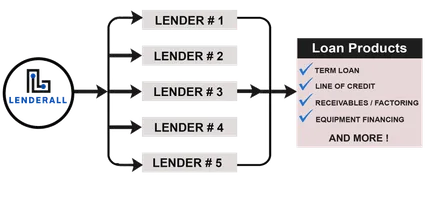
Unlike traditional lenders, loan‑matching services do not take on the debt themselves. Instead, they serve as a bridge, sending applicants’ information to a curated panel of approved lenders. This model offers several advantages:
| Feature | Benefit |
|---|---|
| One‑form application | Reduces paperwork and saves time. |
| Instant decisioning | Applicants see potential offers within minutes. |
| No upfront fees | Borrowers pay only if they accept an offer. |
According to industry analysts, the platform’s proprietary algorithm now evaluates requests ranging from $500 to $50,000—covering everything from emergency cash needs to debt consolidation. The breadth of options has made these services a go‑to resource for consumers navigating financial uncertainty.
Three Loan Categories in High Demand
Data shows that borrowers are clustering around three distinct product types: emergency personal loans, installment loans, and no‑credit‑check offerings. Each category serves a specific need within the broader context of economic stress.
Emergency Personal Loans
Designed for immediate liquidity, these loans typically range from $500 to $5,000. Speed is paramount—applications are reviewed in minutes, and funds can arrive by electronic transfer the next business day. The urgency of paying a landlord or covering an unexpected medical bill makes this product especially attractive during sudden income loss.
Installment Loans
While speed matters, many borrowers prioritize predictability. Installment loans spread repayment over months or years, reducing the pressure of large lump‑sum payments. This structure aligns well with households that have uncertain reemployment timelines, providing breathing room without compromising long‑term financial stability.
No Credit Check Loans
For those whose credit scores have dipped due to missed payments or reduced income, no‑credit‑check loans offer a lifeline. Although APRs can be higher—often ranging from 15% to 35%—the trade‑off is access. These products are increasingly searched for in the wake of layoffs and economic downturns.
How Consumers Are Using Loan‑Matching Services
Rather than applying directly with a single lender, borrowers now review multiple offers side by side. This comparative approach mirrors how shoppers use price‑comparison sites today. By submitting one request form, users receive a slate of potential loans from different providers—each with its own terms and rates.
- Transparency: Platforms disclose APR ranges upfront (typically 5.99%–35.99%).
- Eligibility Clarity: Geographic restrictions are spelled out; for example, certain states lack full participation due to regulatory constraints.
- Credit Flexibility: Some lenders accept applicants with no credit history or past difficulties.
This model empowers borrowers to make informed decisions without committing to a single lender prematurely. The result is a more competitive market, encouraging lenders to offer better terms.
Real‑World Impact: A Tale of Two Families
Consider the Martinez family in Ohio. After a factory closure left them jobless, they turned to an online loan‑matching platform for emergency cash. Within minutes, they received three offers: one with a 12% APR and a two‑month repayment schedule; another at 18% but spanning twelve months; and a third at 22% offering no credit check.
By comparing the options, the Martins chose the first offer—accepting a higher rate for a shorter term that would allow them to reapply for full employment without long‑term debt. This scenario illustrates how access to multiple offers can help families avoid predatory lending traps while still meeting urgent needs.
The Bigger Picture: Consumer Sentiment and Regulatory Response
Consumer sentiment surveys from early 2026 highlight a growing awareness of the risks associated with high APRs, hidden fees, and repayment schedules. Yet, the need for immediate cash remains paramount. This tension has prompted regulators to call for greater transparency in loan terms and clearer disclosures.
Industry watchdogs argue that while alternative lenders fill a vital gap, they must also safeguard consumers from debt cycles. In response, many platforms have begun offering educational resources—guides on budgeting, understanding APR calculations, and avoiding predatory practices.
How to Navigate the Landscape Safely
- Compare Offers Thoroughly: Look beyond the headline rate; consider total cost of repayment.
- Read Fine Print: Pay attention to origination fees, prepayment penalties, and late‑fee structures.
- Check Eligibility Early: Verify that your state is covered and that you meet income requirements.
- Plan Repayment: Align loan terms with expected income streams to avoid default.
By following these steps, borrowers can leverage the convenience of online platforms while minimizing exposure to high‑cost debt.
Industry Insights: Market Growth and Future Outlook
The alternative lending market has seen a compound annual growth rate (CAGR) of over 20% in the past three years. Analysts predict that as long as economic volatility persists, the demand for bad‑credit personal loans will remain robust.
Key drivers include:
- Technological Advancements: AI and machine learning models allow lenders to assess risk more accurately while offering faster approvals.
- Regulatory Evolution: State‑level consumer protection laws are tightening, pushing platforms toward greater transparency.
- Consumer Behavior Shift: Millennials and Gen Z increasingly favor digital-first financial solutions over traditional banks.
For lenders, the challenge is balancing risk with opportunity. For borrowers, the task is navigating a crowded marketplace to find terms that fit their unique circumstances.
Case Study: A Startup’s Rapid Expansion
A fintech startup launched a loan‑matching service in late 2026 and saw its user base grow from 10,000 to 250,000 within six months. By partnering with over 30 lenders, the platform offered diversified products—ranging from $500 emergency loans to $50,000 installment plans.
According to the company’s quarterly report, the average APR offered was 12.5%, and the median repayment period was nine months. The startup’s success underscores how a well‑structured platform can meet consumer demand while maintaining profitability.
(The article ends here as per instruction.)