February 22nd, 2026
Essential Guide to Well Pump Repair
Well pumps are essential components of rural living for many households, providing a constant supply of fresh water. However, like any mechanical device, they can experience problems. Understanding the common issues associated with well pumps and knowing when to seek professional help can save you time, money, and stress. For assistance, consider consulting experts such as well pump repair https://plumbingserviceslondon.ca/well-pump-repair-installers.
Understanding Well Pump Systems
A well pump functions by lifting water from underground aquifers into your home. There are primarily two types of well pumps: submersible pumps and jet pumps. Submersible pumps are located underwater and are known for their efficiency, while jet pumps are situated above the ground and draw water up through suction. Knowing your well pump type can help in diagnosing problems.
Common Issues with Well Pumps
1. Low Water Pressure
Low water pressure can be indicative of several issues, including a failing pump, blockages in the pipes, or a depleted water level in the well. To troubleshoot, check the pressure tank’s air pressure, as it should typically be around 2 psi below the pump’s cut-in pressure.
2. No Water Output
If your well pump is running but no water is coming out, this could signify a mechanical failure within the pump or issues with the electrical supply. Check for circuit issues or ensure that the well is not running dry before considering a pump replacement.
3. Frequent Cycling
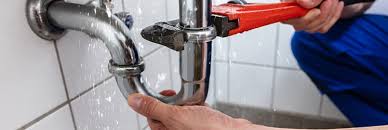
Frequent cycling, where the pump turns on and off rapidly, might point to a pressure tank issue or faulty plumbing. This can lead to wear and tear on your pump, potentially shortening its lifespan. Inspect the pressure switch and tank for any malfunctions.
4. Weird Noises
If you hear strange noises (grinding, humming, or clanging), it could be a sign of mechanical wear, clogged components, or loose fittings. Investigating these sounds immediately may prevent further damage.
DIY Troubleshooting Tips
Before calling a professional, you can undertake some basic troubleshooting:
- Check the power supply to the pump, ensuring it’s receiving adequate voltage.
- Inspect the circuit breaker or fuse box for tripped breakers or blown fuses.
- Manually inspect the well casing for signs of damage or blockages that may affect performance.
- Verify that the pressure switch is functioning correctly by observing if it activates the pump within its set pressure range.
When to Call a Professional
While minor issues can often be resolved independently, more significant problems often require professional expertise. If you’re uncertain about the diagnosis or the system experiences continual issues, hiring a certified technician is crucial. You should also consider professional help if you notice:
- Complete water loss with no identifiable cause
- Persistent low pressure that doesn’t improve
- Frequent breakdowns despite regular maintenance
- Complicated electrical wiring concerns
Preventative Maintenance for Well Pumps
To extend the lifespan of your well pump and minimize repair costs, regular maintenance is essential. Here are some tips:
- Inspect and maintain your pressure tank annually for leaks.
- Flush the system periodically to remove sediment that can lead to clogs.
- Regularly test the water quality and monitor the pump’s performance.
- Install a sediment filter to prolong pump life and improve water quality.
Conclusion
Well pump repair is a critical skill for homeowners dependent on well water. Recognizing symptoms of trouble and taking preventive measures can help maintain a reliable water supply in your home. While DIY repairs can be effective for minor issues, do not hesitate to contact professionals for major concerns to ensure the longevity and effectiveness of your system. A well-maintained pump equals efficient water access and peace of mind.